

11/28/2025 | LinkedIn
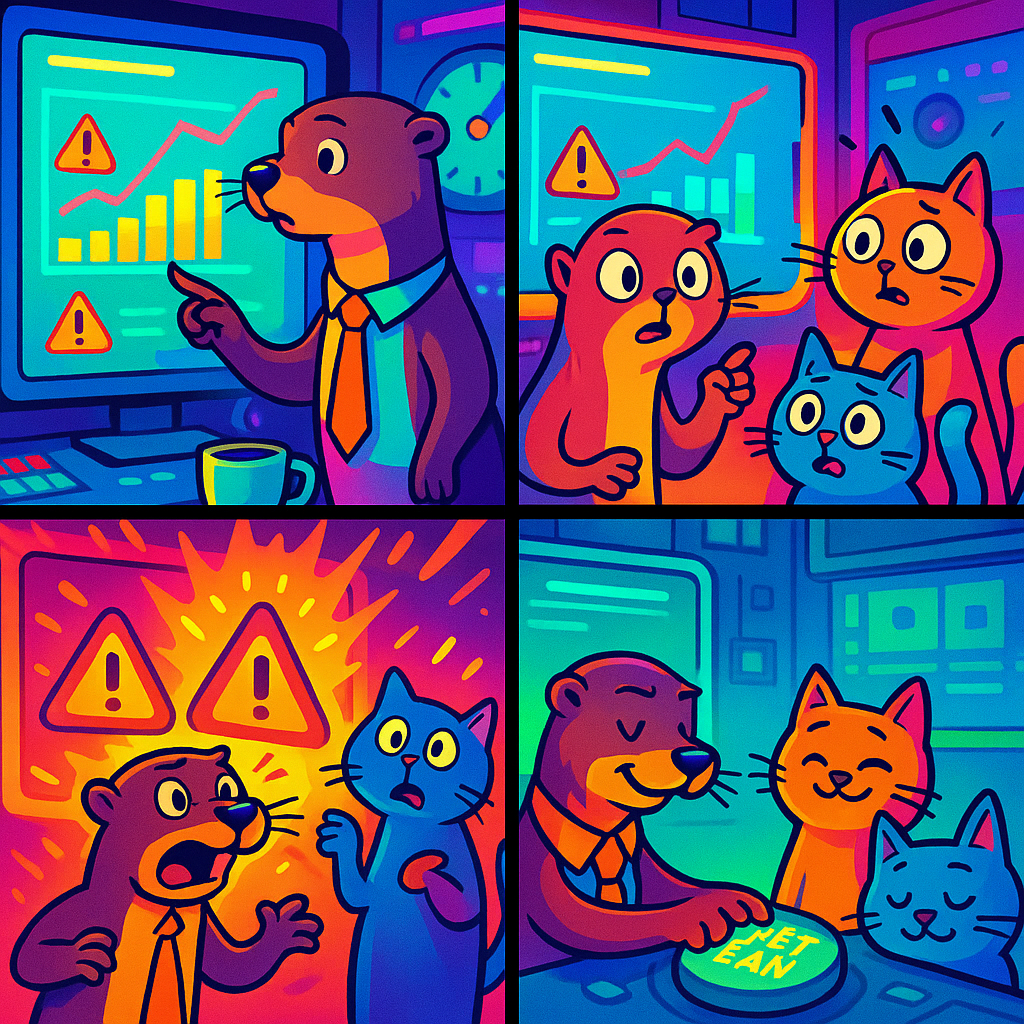
Most troubled projects don’t collapse overnight. They drift - quietly, subtly - until suddenly you’re fighting deadlines, budgets, or stakeholders.
The best project leaders don’t wait for the crisis. They recognize the early warning signs and act before the situation becomes irreversible.
Here are the most common signals that a project is losing control:
1. Decisions take too long — or don’t get made at all
When approval cycles stretch endlessly or key stakeholders avoid committing, it’s a sign that alignment is weakening. Slow decisions create fast failures.
2. Scope expands informally
If “just one small addition� becomes normal practice, and nobody tracks impact on time or cost, the project is already drifting. Uncontrolled scope is one of the strongest predictors of future overruns.
3. Tasks are complete, but progress feels stalled
A classic symptom: the team reports 80% completion for weeks. It means dependencies, integration issues, or hidden work aren’t being addressed.
4. Communication becomes reactive, not proactive
Updates happen only when someone asks. Issues are raised late. Meetings turn into status firefighting instead of forward planning. This shift is a major red flag.
5. The team loses clarity and energy
Team members start asking “What exactly do we want here?� or “Why are we doing this?� Confusion and fatigue are early indicators of misalignment or weak leadership guidance.
6. Risks are no longer actively managed
A risk register updated once per quarter is not risk management. When risks stop evolving on paper, they are likely growing in reality.
7. Stakeholder confidence quietly erodes
When emails go unanswered, alignment workshops get postponed, or people start requesting “additional visibility,� it’s often because they sense the project slipping.
How to respond before it’s too late
Early identification is powerful precisely because it buys time. Once the first signals appear, project leaders should:
-Reconfirm objectives, scope, and critical priorities
-Restart proactive communication rhythms
-Reassess risks and resource constraints
-Realign decision owners and escalation paths
-Bring in an external, unbiased review if internal teams are too close to the problem
Small corrections early prevent big corrections later.
Strong projects aren’t those without issues—they are those where issues are seen, understood, and resolved before they turn into failures.
PF Automation & Digital Solutions. Unbiased Expertise. Industrial Results.
https://lnkd.in/dEb_Sscu
hashtag#projectmanagement hashtag#riskmanagement hashtag#leadership hashtag#industrialautomation hashtag#digitaltransformation hashtag#engineeringprojects hashtag#PFADS